

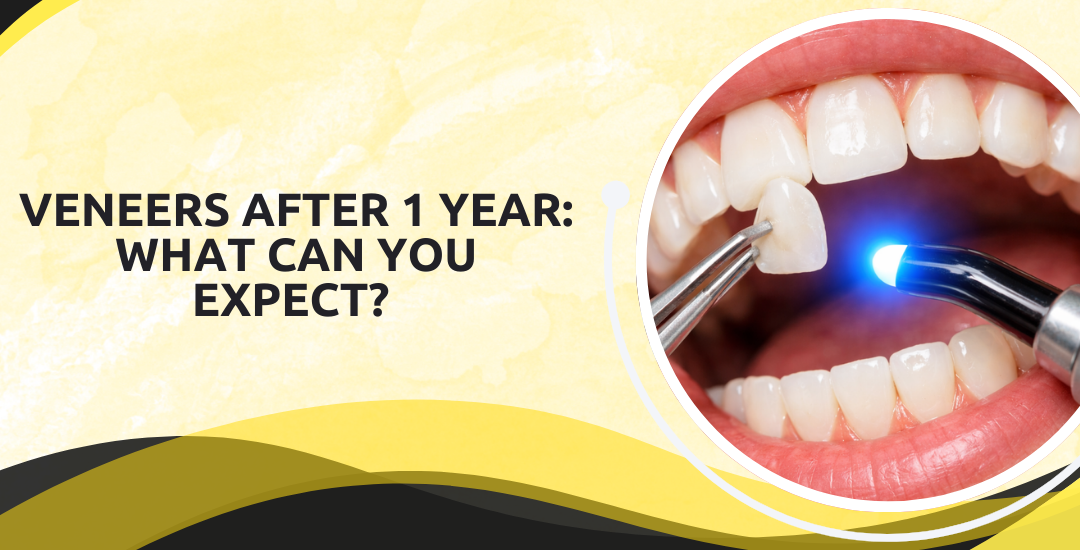
A year ago you walked out of the dental clinic with a brand new smile. Everything felt perfect. The veneers looked great, felt comfortable, and honestly you couldn’t stop looking at yourself in every mirror you passed. But now that twelve months have gone by, a few questions are probably creeping in.
Are they still okay? Is that tiny change I see normal? How long will they actually last?
Totally valid questions. And this blog is going to answer all of them — no fluff, no complicated dental jargon. Just straightforward information you actually need.
How Veneers Hold Up Over Time
Here’s the thing about veneers — they’re genuinely tough. Porcelain veneers especially. With proper care they can easily last 10 to 15 years, sometimes even longer. Composite veneers are a bit softer and usually need attention somewhere around the 5 to 7 year mark.
After one year, most people find their veneers still look and feel exactly the same as when they were first placed. That’s the goal. The first year is mostly about your mouth settling in — your bite adjusting, your gums adapting, your cleaning habits getting dialled in around the new surfaces.
If your veneers still feel comfortable and look good at one year, that’s a really positive sign. It usually means the placement was done well and you’ve been taking decent care of them.
The Longevity of Veneers: What Affects Their Durability?
Not every set of veneers ages the same. Some people are still rocking theirs 15 years later. Others run into problems much sooner. Why? A few key reasons.
Material is one of them. Porcelain is the gold standard — it’s stain resistant, strong, and reflects light the same way natural teeth do. Composite is more affordable but it’s also more porous, which means it picks up colour from things like coffee and red wine faster over time.
Grinding is a big one. A lot of people grind their teeth at night without even realising it. That constant pressure wears veneers down way faster than normal use would. If you’re a grinder, a night guard isn’t optional — it’s necessary.
What you eat matters too. Biting directly into hard things — crusty bread, ice, hard boiled sweets — puts stress on the bonding between the veneer and tooth. Do it often enough and chips happen.
And honestly? The dentist who placed them plays a massive role. Good placement, right adhesive, correct bite alignment — all of that determines how well they hold up from day one.
Common Changes in Veneers After One Year
One year in, most changes are pretty minor. But here’s what some people do notice —
- Slight gum recession near the veneer edge. As gums naturally shift with age, a tiny gap can sometimes become visible at the base of the veneer. Usually not a serious issue, but worth showing your dentist.
- Some colour change in composite veneers. If you drink a lot of tea or coffee, composite can start looking slightly different compared to when it was first placed. Porcelain doesn’t really do this.
- Occasional sensitivity. Not everyone gets this, but some people notice mild sensitivity to hot or cold around the veneer area. Often it’s related to minor gum changes or small shifts in the bonding.
- Absolutely nothing different. And honestly this is what happens for most people. Feels natural, looks good, no issues. That’s the best possible outcome at the one year mark.
Noticed any of these changes with your veneers? Don’t leave it too long — pop into Dentafix Dental Clinic in Bopal, Ahmedabad for a quick check and some professional guidance.
How to Maintain Your Veneers for Long-Lasting Results
Maintenance really isn’t complicated. But the small things done consistently make a huge difference over the years.
Use a soft toothbrush. Always. Hard bristles scratch veneer surfaces over time and make them look dull. And skip the whitening toothpastes — they’re often abrasive and veneers don’t respond to whitening the same way natural teeth do anyway.
Floss every single day. Food sitting between teeth leads to gum problems, and unhealthy gums directly affect how stable your veneers are long term.
Be a little careful with food. You don’t have to live on soup and yoghurt, but try not to make a habit of biting into super hard things. Your veneers can take a lot — but they’re not indestructible.
Rinse after coffee, tea, or wine. Takes two seconds and significantly reduces staining risk, especially for composite veneers.
Go for regular dental check-ups. Every six months is ideal. A dentist can spot a tiny issue early — a hairline crack, minor lifting at the edge, early gum changes — and fix it before it becomes something expensive.
When to Consider Replacing or Repairing Your Veneers
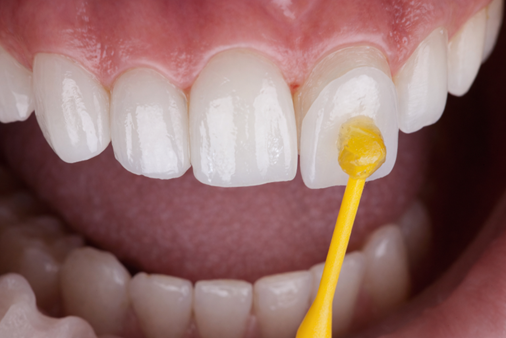
At one year, full replacement is quite rare. But repair? That’s more common than people think.
If a veneer has chipped, the fix depends on what it’s made of. Composite chips can often be repaired right there in the dental chair in one appointment. Porcelain is trickier — a cracked porcelain veneer usually needs full replacement since you can’t patch porcelain the same way.
If a veneer feels loose or has fully come off, get to a dentist the same day if possible. The tooth underneath is exposed and vulnerable to decay until the veneer is properly rebonded.
Persistent discolouration in composite veneers that doesn’t go away with cleaning is another reason to think about replacement. Porcelain veneers almost never have this issue, which is why they’re usually the better long-term investment.
Bottom line — don’t wait and hope a problem sorts itself out. It won’t. Early intervention is almost always cheaper, quicker, and less stressful than waiting until things get worse.
Feeling unsure about the condition of your veneers? Visit Dentafix Dental Clinic in Bopal for a thorough evaluation and honest advice from professionals who genuinely care about your smile.
Frequently Asked Questions:
How long do veneers actually last?
Porcelain veneers typically last between 10 and 20 years. Composite veneers usually need replacing or touching up somewhere around the 5 to 7 year mark.
Will my veneers stain over time?
Porcelain is very stain resistant and holds its colour well for years. Composite is more likely to pick up staining from food and drinks over time.
Can a veneer just fall off?
It’s not common but it does happen — usually due to weakened bonding, decay on the underlying tooth, or impact. If it does fall off, see a dentist as soon as possible.
Is sensitivity around my veneer after a year normal?
Mild, occasional sensitivity can happen due to small gum changes or minor bonding shifts. But if it’s sharp, persistent, or getting worse, that definitely needs to be checked.
Where can I get my veneers checked in Ahmedabad?
Dentafix Dental Clinic in Bopal offers complete veneer consultations, routine checks, and repair services. If you’re in Ahmedabad, it’s a great place to start.