

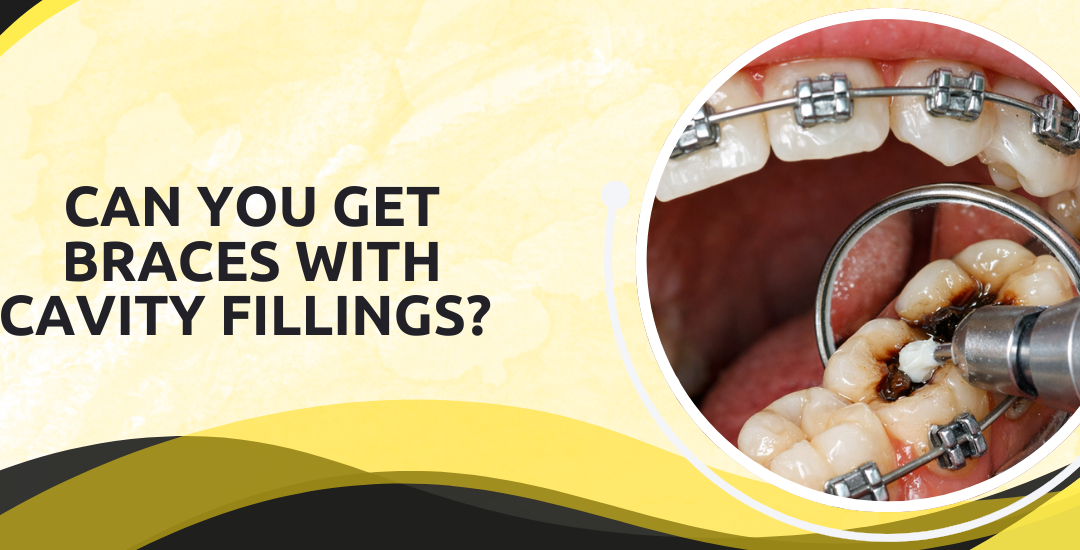
Can You Get Braces with Cavity Fillings?
According to Dr. Jahnavi Patel, a highly regarded dentist in South Bopal,
“It is crucial to ensure that your teeth are in optimal health before starting orthodontic treatment to avoid complications during the process.”
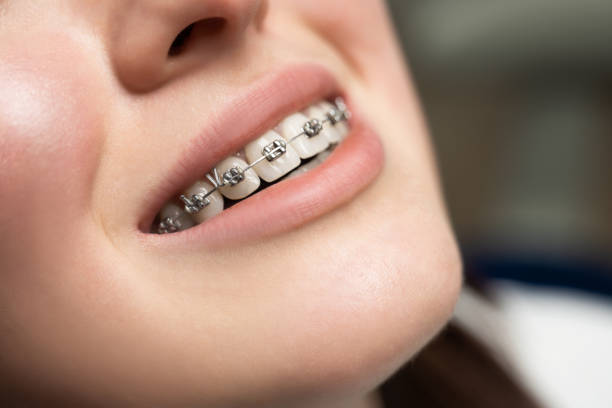
At Dentafix Dental Clinic in South Bopal, we specialize in providing comprehensive dental care, including orthodontic treatments. Led by Dr. Jahnavi Patel, we offer personalized care to ensure the best results for every patient. Our team is dedicated to helping you achieve a healthier, more beautiful smile with the right approach to cavity treatment and braces.
The Connection Between Braces and Cavity Fillings
Braces can only work effectively when your teeth are healthy; cavities or decay may interfere with treatment. Fillings themselves do not pose a problem, but untreated cavities can lead to complications.
When you get braces, the brackets and wires create places where plaque can accumulate, making it harder to keep teeth clean. This can lead to new cavities or worsen existing ones, which is why dental professionals stress the importance of treating cavities before getting braces.
Why Treating Cavities Before Getting Braces is Crucial
Braces require constant adjustment and pressure on your teeth, which could exacerbate existing cavities or cause new issues if left untreated. If you have untreated cavities while wearing braces, the risk of infection increases.
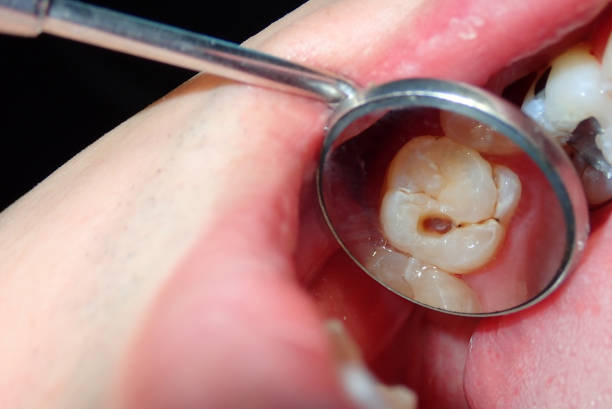
Cavities could lead to more severe decay, gum disease, or even tooth loss, which would require more extensive dental work later. By treating cavities before getting braces, you give your teeth the best chance of staying healthy during the course of your orthodontic treatment.
Can You Get Braces with Existing Fillings?
Yes, you can get braces even if you already have cavity fillings. In fact, many people who undergo orthodontic treatment have dental fillings. However, if the fillings are large or there are multiple cavities, it’s essential to ensure they are stable before moving forward with braces.
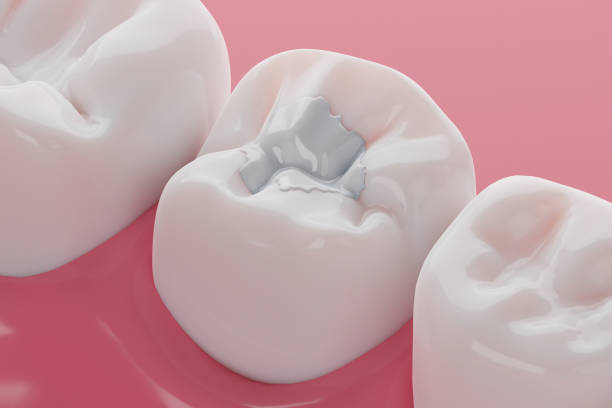
Fillings that are damaged, cracked, or improperly placed may need to be replaced or repaired before braces can be applied. Your dentist will evaluate the condition of your fillings to determine if any additional treatment is needed.
What Happens If You Have a Cavity While Wearing Braces?
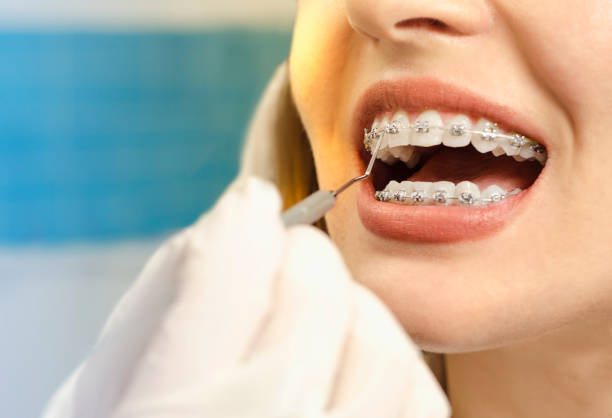
Plaque Buildup: Brackets and wires can trap food particles and plaque, which, if not cleaned properly, may lead to tooth decay around the braces.
Delayed Treatment: If a cavity is left untreated, it can worsen over time, potentially leading to more severe dental problems such as infections.
Tooth Sensitivity: A cavity while wearing braces may cause tooth pain or sensitivity, particularly to hot, cold, or sweet foods.
Potential for Infections: Cavities can lead to infections that can spread to the gums or the root of the tooth if not addressed.
Need for Immediate Attention: It’s important to see your dentist as soon as you notice a cavity to prevent further complications and keep your braces treatment on track.
Possible Treatment Delays: Depending on the severity of the cavity, treatment may cause temporary delays in your braces adjustment schedule.
Braces Adjustment: Your orthodontist may need to adjust or temporarily remove parts of the braces to treat the cavity and restore the tooth.
How Dentists Address Cavities During Braces Treatment
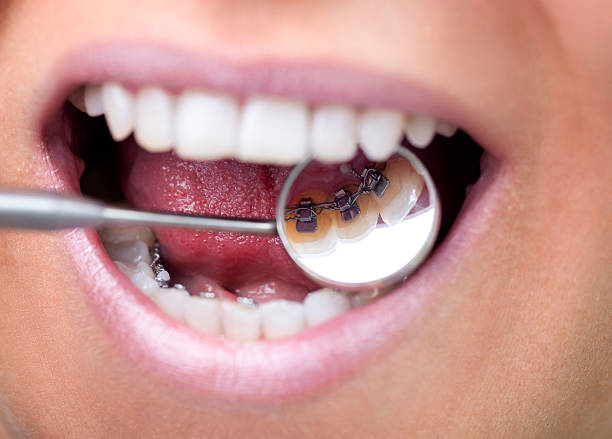
Cleaning Around Braces: Special tools are used to clean around braces to remove plaque and food particles that could lead to cavities
Cavity Detection: Dentists make use of X-ray technology or visual examination to detect cavities that may be developing under the brackets and wires.
Filling Cavities: If a cavity is found, dentists will typically clean the decayed area and apply a dental filling, ensuring it doesn’t interfere with your braces.
Temporary Braces Adjustment: In some cases, the braces may need to be temporarily adjusted or removed to access and treat the cavity properly.
Minimally Invasive Treatments: If the cavity is small, the dentist may opt for a filling that can be done in-office without interrupting your treatment schedule.
Post-Treatment Monitoring: After treating a cavity, your dentist will continue to monitor your tooth to ensure that it heals correctly and does not affect the alignment process.
The Benefits of Coordinating Cavity Treatment with Braces

Maintains Braces Progress: By addressing cavities before or during braces treatment, you avoid delays and interruptions to your orthodontic progress.
Minimizes Risk of Infection: Cavity treatment done on time will ensure that you don’t develop any infection, which may have the potential to affect your gums and oral health.
Improves Oral Hygiene: Coordinating care helps maintain better oral hygiene, as cavities are treated and your teeth remain healthy even while you wear braces.
Ensures Proper Tooth Alignment: Healthy teeth are essential for a successful braces treatment. Cavity treatment will ensure that your teeth are strong and aligned properly.
Avoids Additional Dental Work: By treating cavities early, you minimize the need for more invasive treatments later on, such as root canals or extractions.
Prevents Tooth Sensitivity: Cavity treatment will ensure that you don’t experience any sensitivity in your teeth, which may be worsened by the braces.
Streamlines Treatment: Coordinating cavity care with braces ensures a smoother, more efficient treatment process without unnecessary delays.
Conclusion
While it is possible to get braces with cavity fillings, it’s essential to address any cavities before starting or during orthodontic treatment to ensure the best results. Untreated cavities can lead to further complications, such as infections or tooth damage, which could disrupt your braces progress.
By coordinating cavity treatment with your braces plan, you maintain healthy teeth, prevent delays, and ensure your orthodontic journey goes smoothly. Always consult a seasoned dental professional, like Dr. Jahnavi Patel, to ensure your teeth are in optimal condition for braces.
Frequently Asked Questions:
1. Can I get braces if I have cavities?
Yes, you can get braces with cavities, but they should be treated before starting orthodontic treatment to avoid complications.
2. How do cavities affect braces treatment?
Cavities can lead to further tooth decay or gum issues if left untreated, which can delay or affect the progress of your braces treatment.
3. Can I get braces with fillings?
Yes, fillings are not a problem for getting braces, but they must be stable and in good condition before starting treatment.
4. What happens if I get a cavity while wearing braces?
If you develop a cavity while wearing braces, it needs to be treated immediately to avoid further damage and to keep the treatment on track.
5. Can braces cause cavities?
Braces don’t directly cause cavities, but the brackets and wires can make it harder to clean teeth, increasing the risk of plaque buildup and cavities.